Accessibility and Exclusivity are paving Cartier’s road to success
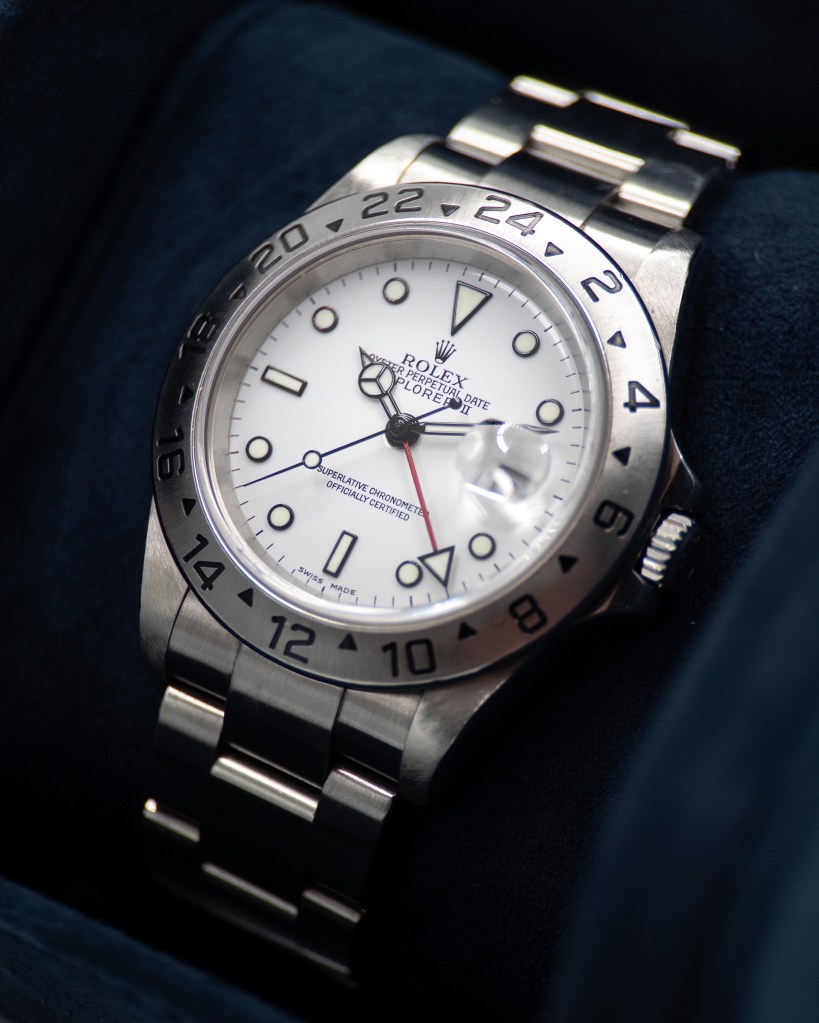
Rolex holds the largest market share in Swiss watchmaking today. In 2022, Rolex made an estimated 9.3 billion CHF in revenue, with Cartier in a distant second at 2.75 billion.
And yet, it’s hard to get a Rolex at retail value. Really hard.
For the last several years there have been four ways to buy a Rolex:
- Spend a lot of money at an Authorized Dealer. New watches will be allocated to the customers that are best for the business, full stop. You can build a great relationship with your dealer – maybe your kids are the same age, you root for the same team, you have the same hobbies. That’s great. The person who spent $100K on jewelry that year is going to get the call before you.
- Wait a long time. With patience, grit, tenacity, and a fair amount of groveling, you may eventually get a desirable model like a Submariner or GMT Master II “Batman” within a year or two. But, the most popular models will likely elude you for up to 5 years, or maybe forever.
- Spend a lot of money on the secondary market. Some models fetch 3x or more their retail price (read: the models you probably want), and extremely rare references tread into the realm of the absurd with a Rainbow Daytona pushing over $1M. If you have the cash, you can have whichever Rolex your heart desires, today.
- Know somebody who can get you a Rolex. This is the most preferred option, and if you care to make any introductions please hit me up in the comments.
It’s no secret that people covet what they cannot have. In fact, the cornerstone of the luxury brand business is to manufacture scarcity that is outstripped by demand. However, there is a point of diminishing returns. Rolex is passing that point at a critical time, and that is why Cartier will beat Rolex in the next 30 years.
The Contenders: Rolex vs. Cartier
We’re going to glaze over the history a bit as this has been covered in great detail many times over. In short, the history of these two brands is as old as the wristwatch. Cartier released the first men’s wristwatch, the Santos Dumont, in 1904, while Rolex was founded in 1905. Rolex produced the first waterproof watch, and made sure their watches traveled to the furthest, deepest, and highest points on the globe (always with a camera in tow). Cartier embodies timeless French elegance, while Rolex represents Swiss ingenuity. This is not an apples to apples comparison – but if this had to be a controlled experiment, it wouldn’t be any fun. So, let’s get into it.
Rolex: The Death of Entry Level
Spend some time browsing Rolex forums or r/Rolex and you’ll find a discourse akin to that of so many high school boys asking each other for dating advice. Endless threads along the lines of “I’ve been texting my AD every week and he almost never texts me back, what am I doing wrong?” Tips abound such as how to dress, which time of day to show up and how often, what to say and what not to say – some folks have gone as far as gifting unsolicited pets to their dealers in hopes of being afforded the privilege of spending $10,000 on a steel watch.
Yikes.

Participating in what a brand has to offer (e.g. buying their products) builds loyalty. Locking people out makes them mad, and they are moving on. And, most of those people are aspiring first time buyers. The young person beginning to earn good money can no longer save up and enter the ground floor of Rolex with, say, an Oyster Perpetual for $6,400. Those are the people who would potentially convert to repeat buyers over their next 30 years of collecting. But, today, many are simply finding somewhere else to take their $6,400.
Where Rolex has stumbled is making all of their desirable models unobtainable to the first time buyer, while attempting to cater to the top level of their customer base by releasing increasingly bizarre limited versions of said models. They are in the highly unusual situation where steel references have longer wait times and carry higher premiums on the secondary markets than the solid gold and platinum models sitting in dealers’ vaults collecting dust. This leaves aspiring entrants bitter and high rollers confused.
For a brand that claims to think in centuries, not decades, locking out an entire generation of first time buyers while trying to convince your biggest spenders that they want an emoji watch does not align well with a long-term strategy.
Cartier: From Starter to Stratosphere
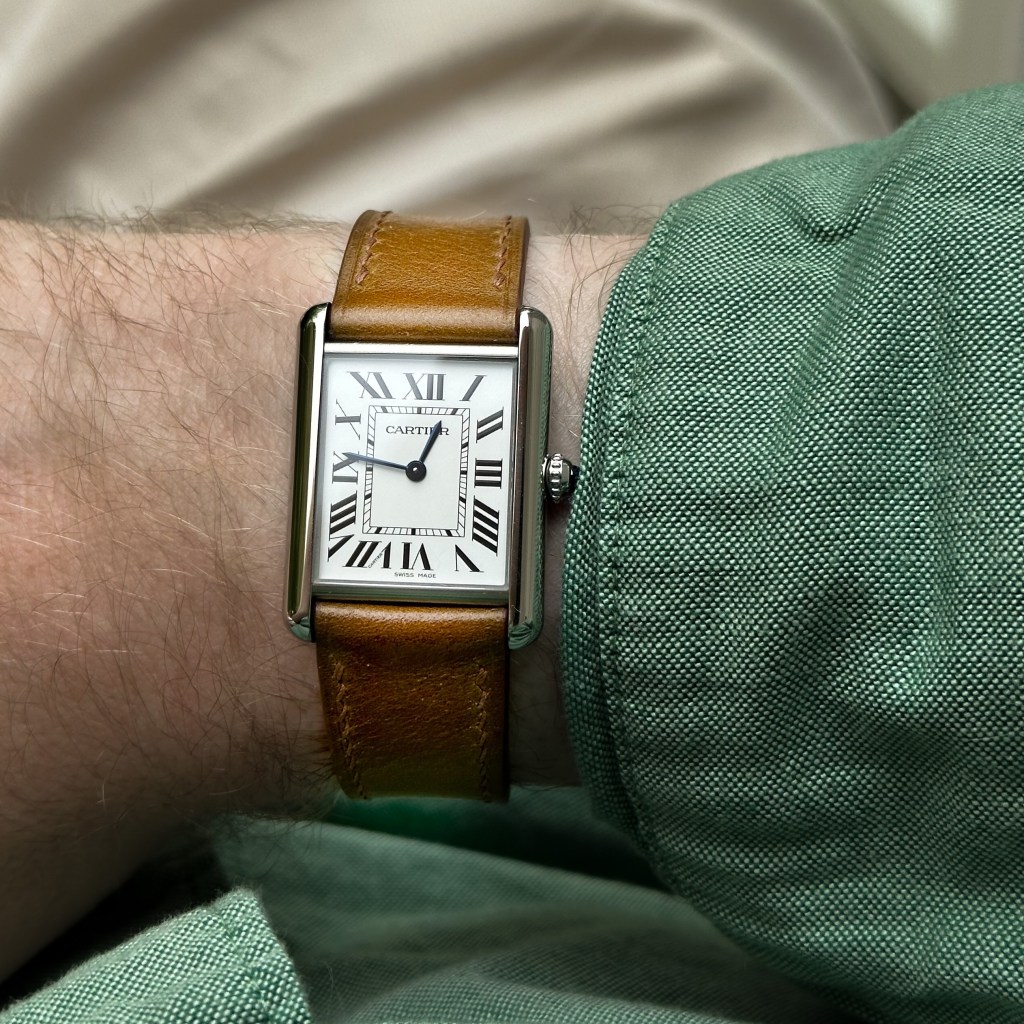
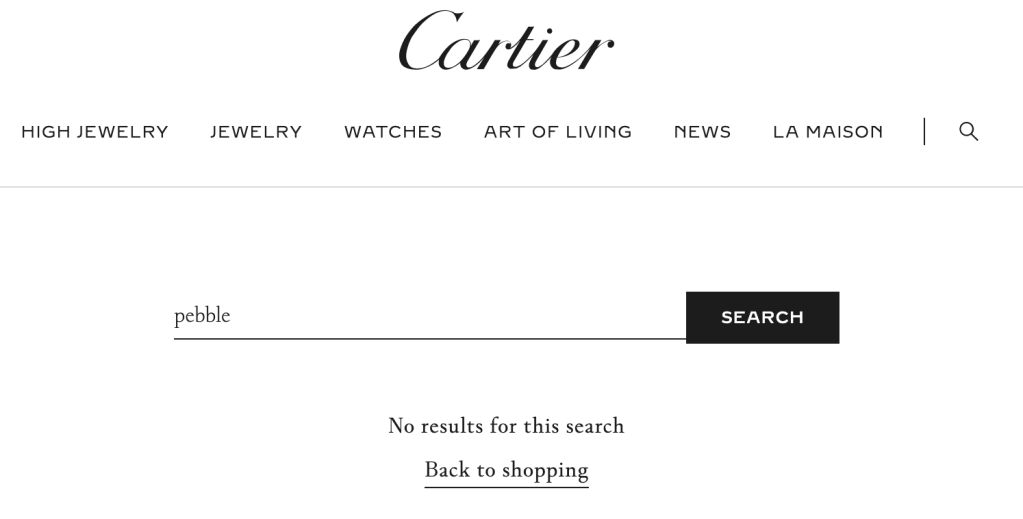
Turning attention to Cartier, you can walk into a boutique or dealer today and leave with one of their classic models – the Santos de Cartier, Santos Dumont, or Tank – in steel, at retail value. In gold, well, you need to pony up 3-5x more, but they can still be had in a reasonable amount of time. Some special editions like the lacquered Santos Dumont, okay, you might need to know somebody or have some history at your boutique. Like the new Pebble? Well, there are only 150 in the world so good luck. See where this is going?
Cartier’s masterful strategy has been to cater to the ladder of customers, and to move them up the rungs over time, mostly by making some models unobtainable. The Crash, The Pebble, The Cloche, the Tank Normale – these are released without prices and, sometimes, even without a single mention by Cartier. They are “don’t call us, we’ll call you” pieces.
In this way, Cartier can cater to the top of their customer base through extreme exclusivity. And, they can simultaneously attract first time buyers through accessible steel versions of their most iconic pieces, while offering everyone in the middle precious metal versions and some limited releases.
In short, everyone who wants a piece of Cartier can have one, and everyone knows which piece(s) they can have. Ah, the harmony.
Why now matters
Why, in 120 years of history, does the present matter so much for these two brands? In the United States alone, an estimated $68 trillion in wealth is going to change hands from baby boomers to millennials. Those twenty- and thirty-somethings saving their hard-earned dollars to get their first nice watch are going to be ideal customers in the next several decades as their careers mature, family businesses are passed on, and inheritances make their way into their hands.
People remember how they are treated for a very, very long time – brands often have one shot to make an experience memorable in either direction. They can welcome in the next wave of lifelong customers with open arms, or lock you out in hopes that you will want them even more. I favor the former approach, and that is the one Cartier has taken.
Time will tell if Cartier can leapfrog Rolex – perhaps in the next thirty years these opinions will age like fine wine, or stink like a moldy cheese, but either way, by then you might be able to get a Daytona.
 PowerReserve
Leave a comment